Experience effortless waste management with prompt response time, ensuring that you get the service you need precisely when you need it.
Tailored Solutions
Enjoy a wide availability of services, providing you with comprehensive waste management solutions for your business.
Transparent Pricing
Rest assured with our commitment to transparent pricing, where you'll never encounter hidden fees – only honest, competitive, upfront costs.
Eco-Friendly Commitment
Choose sustainability with our eco-friendly waste management solutions, designed to reduce environmental impact while meeting your needs.
Welcome to Envirosafe Waste Solutions
Our Advantage
We differentiate ourselves through localized service, expertise in commercial/industrial waste disposal, and personalized customer service. By concentrating operations in Tennessee, Alabama, Georgia, and Kentucky, we deliver a level of regional expertise and responsiveness that national waste management firms cannot match. This strategic focus enables faster response times, in-depth knowledge of state specific regulations, and the ability to cultivate strong, long-term client relationships built on trust and reliability.
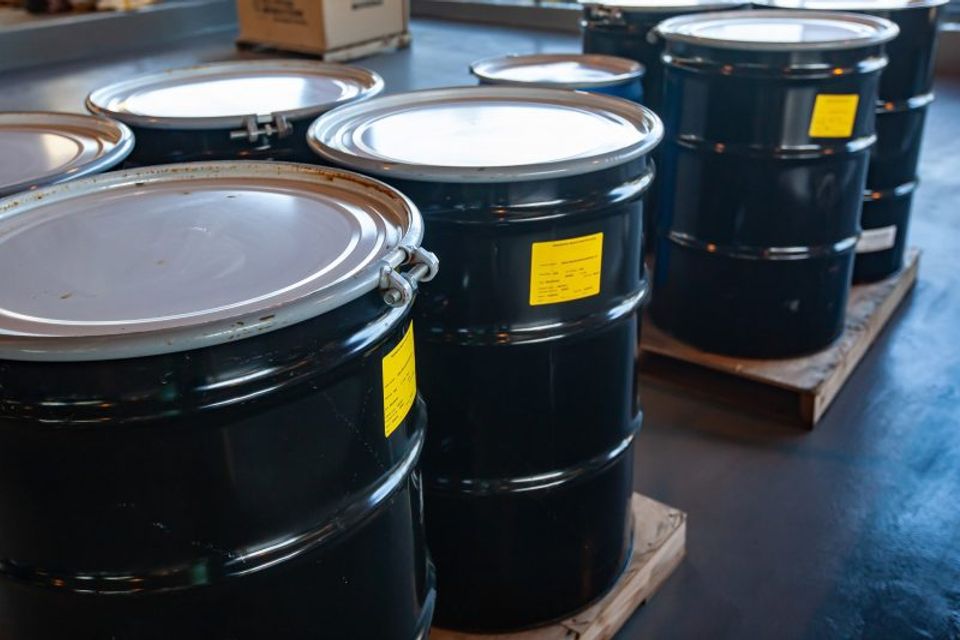
Unlike larger waste management companies that handle a broad range of products and services, we maintain a specialized focus on drum and tote waste, ensuring compliance, efficiency, and cost-effectiveness. This expertise allows us to streamline operations, reduce unnecessary overhead, and offer more competitive pricing while maintaining the highest safety and regulatory standards.
It is our commitment that each client receives tailored waste management solutions, personalized attention, and prompt responsiveness. Whether you’re a current client or a prospective client, we look forward to earning your business on a continuous basis!
Reliable, Compliant, and Cost Effective Envirosafe Waste Solutions
Recycling
Recycling for commercial and industrial waste is the process of collecting, sorting, and reprocessing materials generated by businesses, factories, and institutions so they can be reused for manufacturing or energy recovery instead of sent to landfills.
Fuel Blending
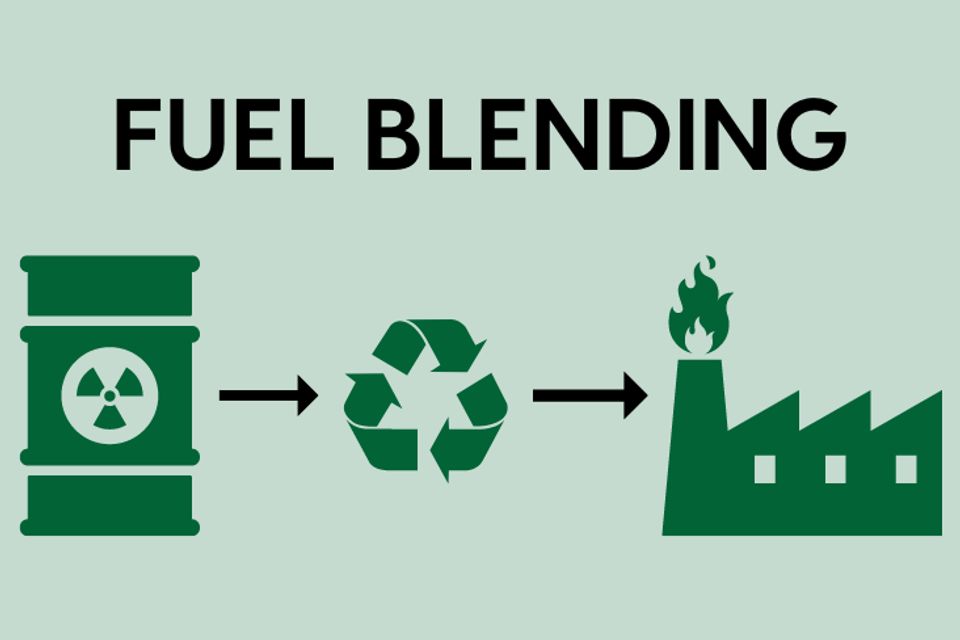
Fuel blending involves combining various fuel components, such as gasoline, ethanol, biodiesel, and other alternative fuels, to produce a final product tailored to enhance specific attributes like octane rating, emissions quality, and cost-effectiveness.
Stabilization
Stabilization with hazardous materials involves the use of chemical reactions to reduce the mobility and toxicity of pollutants. This process is crucial for managing hazardous waste and ensuring safe disposal.
Incineration
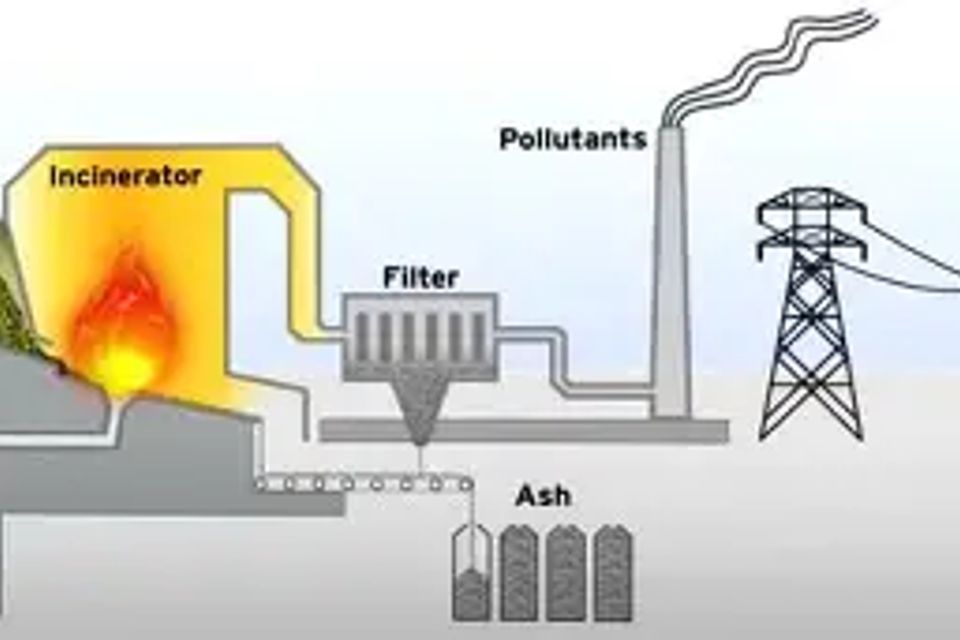
Commercial and industrial waste incineration involves the controlled burning of waste materials at high temperatures to destroy hazardous characteristics and reduce the volume of waste sent to landfills. The process includes waste analysis, storage, feeding, primary combustion, and emissions control.
Waste Water Treatment
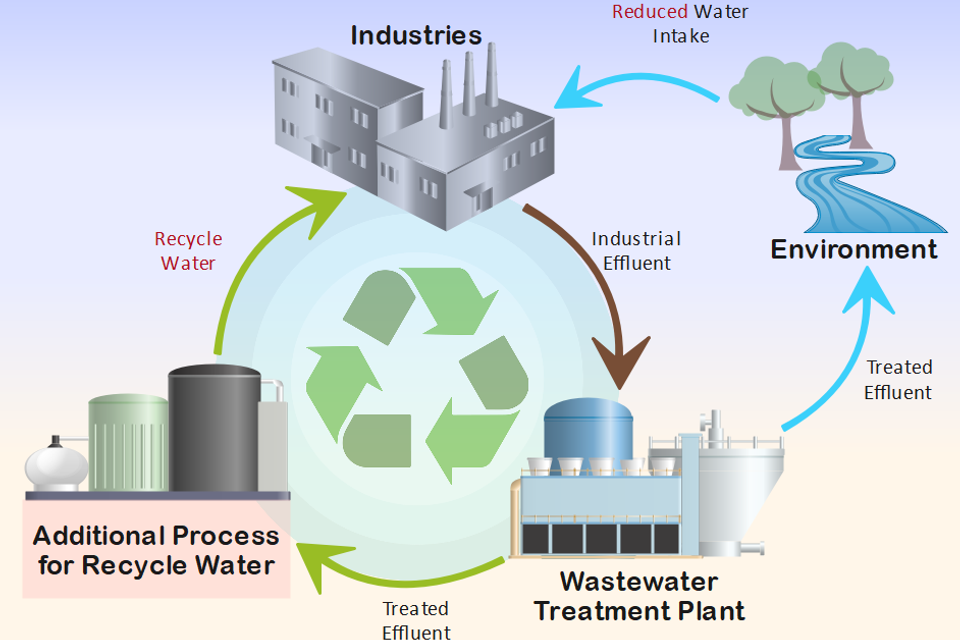
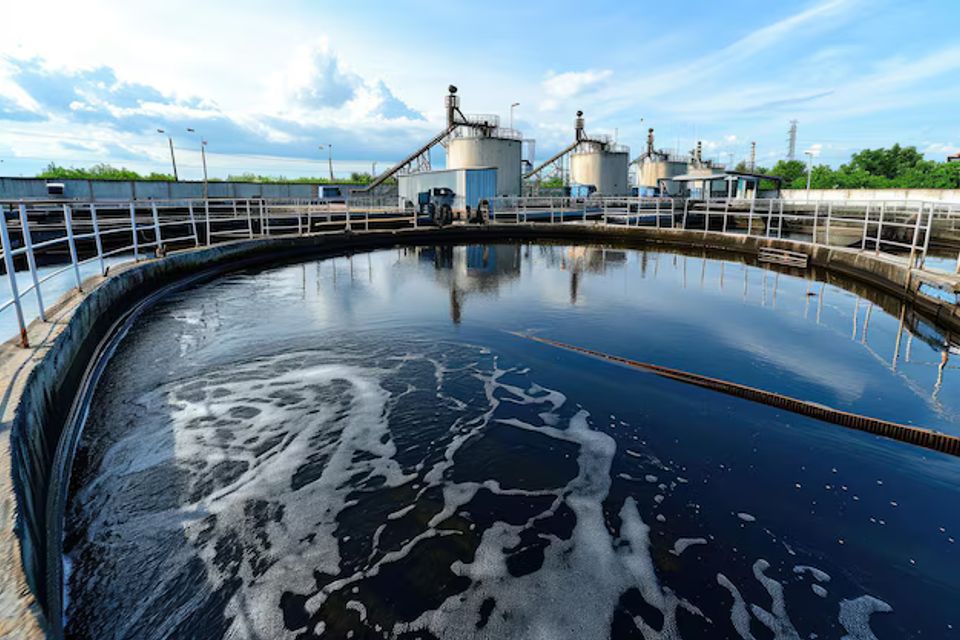
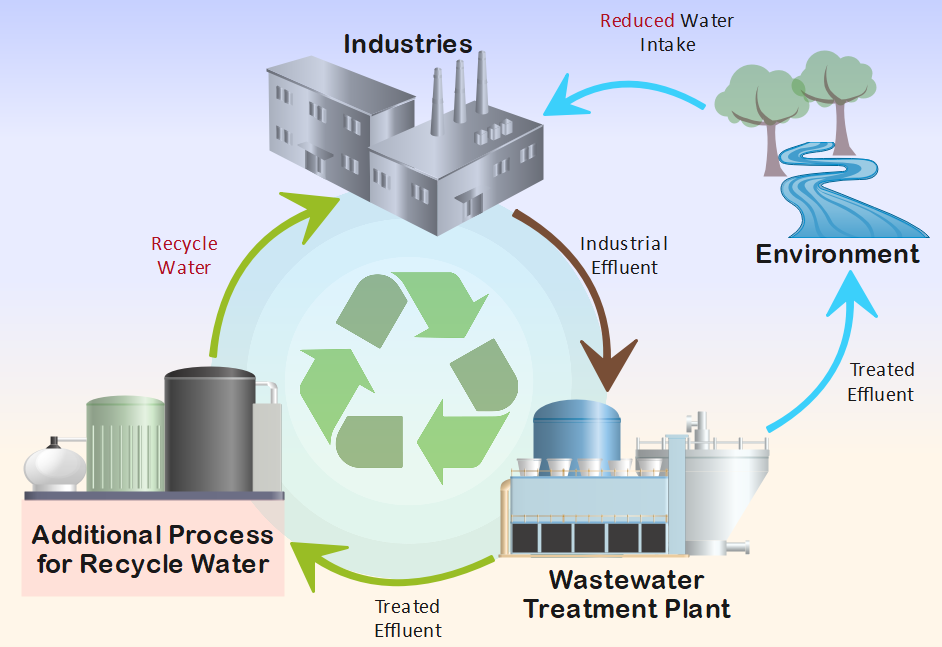
Wastewater treatment for commercial and industrial use involves a series of processes to remove harmful contaminants from wastewater generated during manufacturing or commercial operations. These processes are essential for ensuring compliance with environmental regulations, protecting local ecosystems, and conserving water.
Vacuum Services
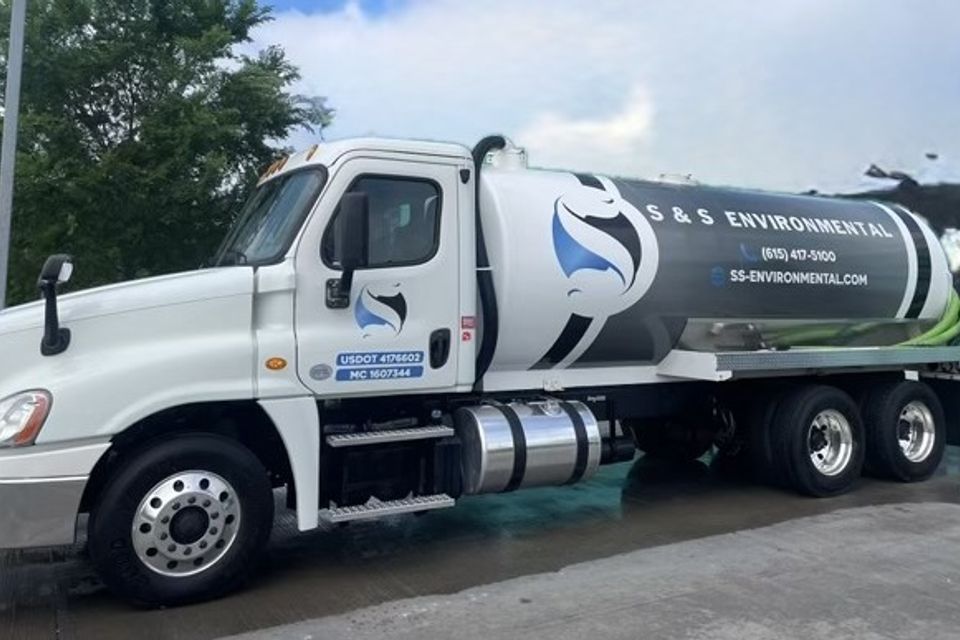
Vacuum services use specialized trucks and equipment to handle a wide range of waste materials generated during industrial operations, maintenance, or emergencies. These services are essential for maintaining compliance, safety, and operational efficiency.
Waste to Energy (WtE)
Waste-to-energy systems transform industrial and commercial waste into energy through various technologies. These are especially useful for facilities generating large volumes of waste that are difficult to recycle.
Neutralization
Neutralization is essential for treating hazardous waste, especially in industries that produce strong acids or bases. It prevents corrosion, protects infrastructure, and ensures compliance with environmental discharge standards.
Universal Waste
Universal waste is a category of hazardous waste that is commonly produced across many industries and businesses. Because these items are widespread and relatively low-risk when handled properly, the U.S. Environmental Protection Agency (EPA) created streamlined rules for their management to encourage safe collection, recycling, and disposal.
Evaluation of Recycling Potential
Evaluation of recycling potential involves analyzing what waste is generated, how it can be treated, and whether recycling is economically and environmentally viable. It’s a critical step in moving industries toward circular economy practices.
Accurate Waste Profiling
Accurate waste profiling is the systematic process of identifying, analyzing, and documenting the physical, chemical, and hazardous characteristics of a waste stream to ensure it is managed, transported, and disposed of safely and legally. It’s essentially the “blueprint” for how each type of industrial or commercial waste must be handled.
Preprinted Labels and Manifests
Preprinted labels and manifests are standardized tools used in commercial and industrial waste management to ensure proper identification, tracking, and regulatory compliance of waste materials.
Sampling
Sampling for commercial and industrial waste is the process of collecting representative portions of waste materials to analyze their physical, chemical, and hazardous properties. It’s a critical step in waste management because accurate sampling ensures that waste is properly classified, treated, and disposed of in compliance with environmental regulations.
Full Compliance
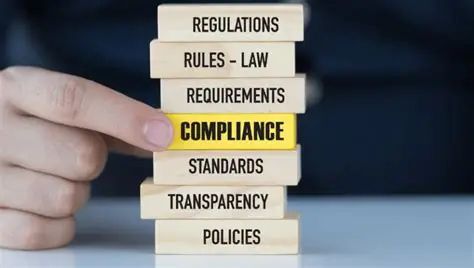
Full compliance for commercial and industrial waste means meeting all regulatory, safety, and environmental requirements for how waste is generated, stored, transported, treated, and disposed of. It ensures that businesses handle waste responsibly, avoid legal penalties, and protect workers and the environment.
Contact Us For Assistance
Give us a call or send us a message using the form below.